
How to Ask Patients for a Google Review (Without Breaking Any Rules)
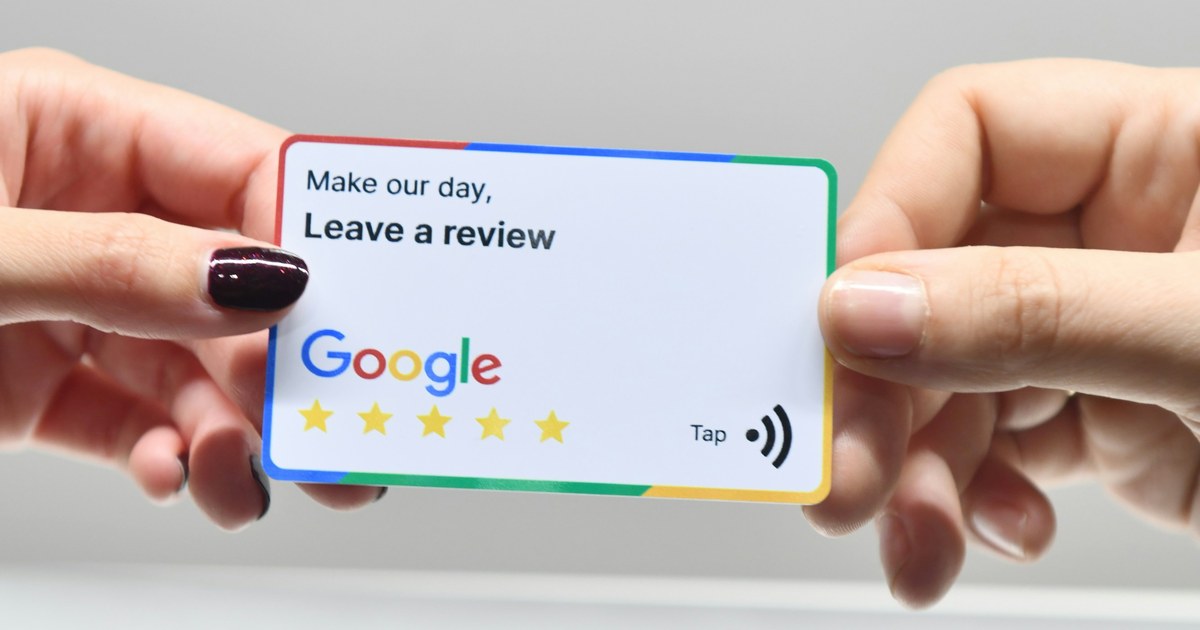
For private practitioners, a good word of mouth reputation is key to success. When you can't get a direct recommendation from someone, your next step is to search for "podiatrist near me", and you let Google search do the rest.
What happens when the results show 3 competitors, some with Google Reviews and some without? They'll probably contact the practitioner with the best rating, and add the others to a to-do list.
This article will tell you the rules for private practitioners on asking for Google Reviews, and patient testimonials in general, as well as some tips on how to generate more for your business.
Three sets of rules, not one
Google's policy
No incentives of any kind (discounts, prize draws, freebies), no review gating (funnelling happy vs unhappy customers differently), and as of April 2026, no directing anyone to name a specific member of staff in their review - less tricky to break if you're a solo practitioner! The key: you are allowed to ask.
UK advertising rules (ASA/CAP Code)
Real and unedited reviews are allowed, but they can't stand as proof of a treatment outcome, and must never discourage someone from seeking treatment they need. A review saying "you sorted my foot pain" is fine; implying it as a clinical guarantee isn't.
Your professional body
This one varies the most so check your own body's rules carefully. A clear example of these differences is the UKCP rules ban client testimonials outright, whereas the HCPC rules don't ban them, but tie them to standards on promotional accuracy and confidentiality.
What actually gets a business in trouble
A handful of things turn a good review strategy into a problem, and most of them are easy to avoid once you know what to look for:
-
Offering an incentive
Offering any kind of incentive for a review - a discount, a prize draw, even a small thank-you gift.
-
Being selective
Only asking your happiest patients, or steering an unhappy one away from leaving a review.
-
Naming a condition
Publishing a review that names a specific condition or treatment without the patient's clear consent.
-
Implying a guarantee
A review that reads as a guarantee of the outcome, rather than one patient's own experience.
-
Editing what's said
Editing a review, or telling a patient what to say.
That last one matters more than it might seem, because you don't have to write anything misleading yourself for it to become a problem. A genuine, unprompted review can do it for you. In 2022, a UK water filter company had testimonials removed by the Advertising Standards Authority after a customer review stated they'd stopped needing their reflux medication. The company hadn't written those words or intended any medical claim, but by publishing the review, they became responsible for what it implied: that their product could replace treatment for a condition that can, in some cases, be serious. It's the exact position a practitioner can end up in with a delighted patient's own words.
What doing it right looks like
The best way to approach this is to ask every patient in the same way, at the end of their appointment. Make sure to respond to both positive and negative reviews you receive and ask for the patient to be honest about their experience.
A good practice to make it easier for your patients to leave you a review would be to print out a poster with a QR code they can scan. If you have a Google Business Profile already, they give you a QR code that links directly to your profile. If you don't, our article on Google Business Profiles can help you get started.
Review request template
Writing a compelling review request probably isn't at the top of your list of practice jobs, so we've written one you can use that keeps you compliant to all of the rules we've discussed.
Hi [patient's first name], thank you for visiting us today.
If you have a moment, we'd really appreciate you sharing your experience on Google. It helps other people in the area find us, and it helps us know what we're doing well. You can leave a review here: [Google review link].
Please only share what feels true to you. There's no need to go into detail about your treatment if you'd rather keep that private.
Thanks again,
[Practice name]
Keep the wording the same for every patient, send it at the same point in their visit each time, and never follow up to ask someone to change or remove what they've written.
When it's worth getting help
Getting a steady stream of genuine reviews, staying on the right side of every rule, and actually responding to what comes in takes more ongoing attention than most practitioners have spare time for.
This is exactly what our Complete care plan covers. We manage review generation and responses as part of your monthly plan, so it happens consistently without it becoming another job on your list.
Common questions
Can I offer a discount for leaving a review?
No. Google doesn't allow any incentive in exchange for a review, whether it's a discount, a freebie, or entry into a prize draw, even if you ask for an honest review rather than a positive one.
Can a patient mention their condition or treatment in a review?
They can, but only with their clear understanding and consent, and it's worth being cautious about it. A review that implies a guaranteed outcome, or one that could be read as suggesting someone stop other treatment, can cause problems even if the patient meant it as a genuine compliment.
What should I do about a negative review?
Reply professionally, without confirming or denying that the reviewer is a patient of yours. Keep the response calm and factual. It's often other prospective patients reading your reply, not just the reviewer.
Not sure where to start with reviews?
Whether you've got none yet or a handful that have gone quiet, we can help you get a system in place that brings them in steadily, and keeps you on the right side of the rules. Get in touch and tell us where things currently stand. We'll give you honest advice either way.